How Chronic Stress Reshapes Your Body
The Cost of Japan's Work Culture
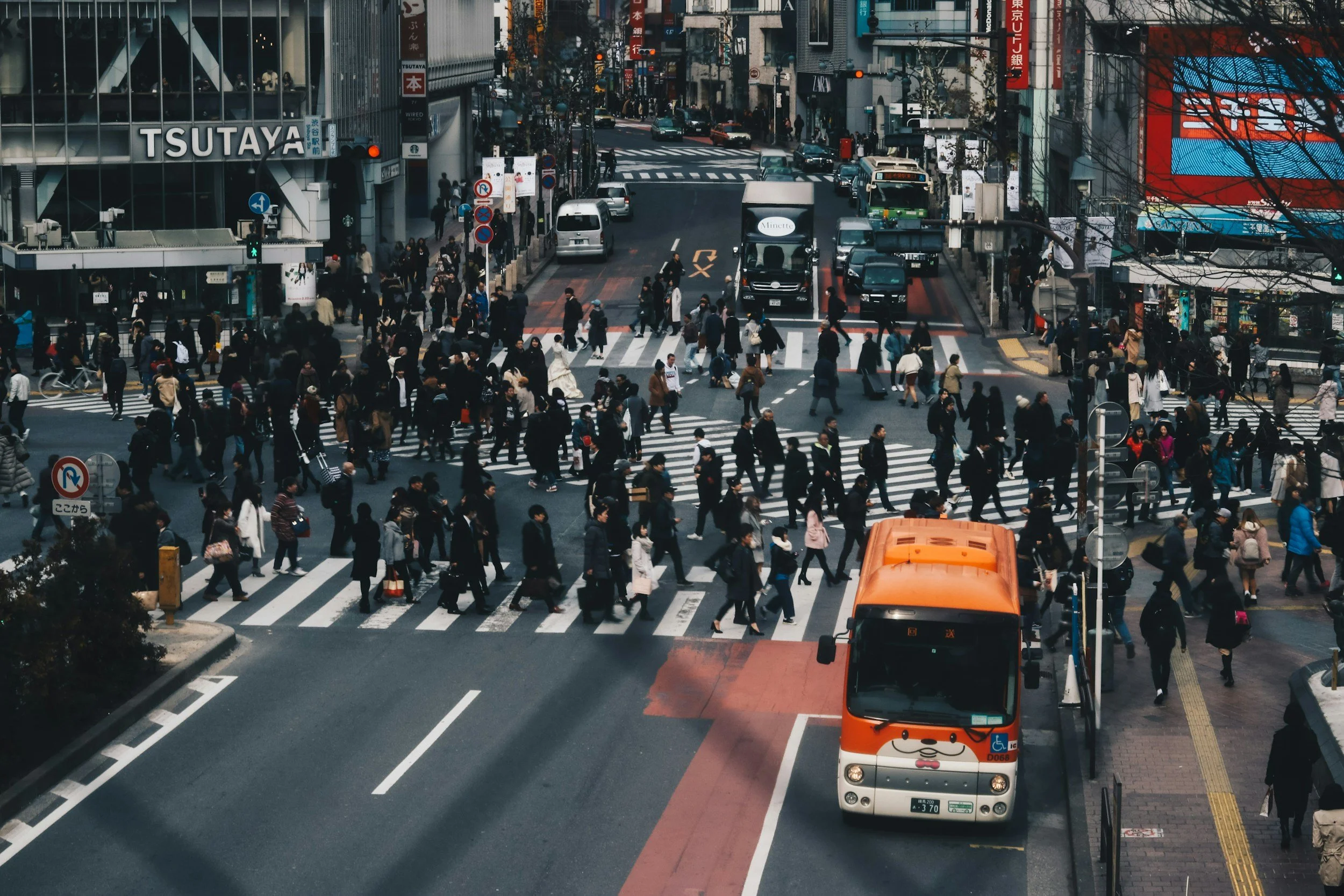
If you are living and working in Japan, you may already be noticing changes in your body. Japan's economic success is admired worldwide, but for many foreigners, the work culture comes with a hidden biological cost. Concepts like karōshi (death from overwork), chronic overtime, and performance pressure don't just lead to mental exhaustion, they literally reshape the body.
As a coach working closely with expats, I see this pattern repeatedly. Within the first years, many experience unexpected fat gain, muscle loss, and poor recovery, even when training and eating well.
The cause is chronic stress. When cortisol remains elevated for months or years, it disrupts metabolism and recovery, quietly undermining your health despite your best efforts.
First, let’s define some common elements of Japanese work culture and why this environment can become a powerful source of chronic stress:
Excessive Working Hours - Zangyō (overtime): Despite recent labor reforms, many Japanese workers still log 60–80 hour workweeks. Zangyō is not only common but often viewed as a sign of loyalty and dedication to the company.
Rigid Hierarchies - Senpai–kōhai system: The traditional practice creates strong power imbalances that can foster toxic dynamics. This structure often discourages employees from speaking up or setting boundaries, out of fear of professional consequences.
Limited Work/Life Boundaries - Nomikai: Practices such as nomikai (after-work drinking sessions) and weekend team activities blur the line between personal and professional life, leaving little room for true rest and recovery.
Performance Pressure: A strong cultural emphasis on perfection and avoiding mistakes creates constant psychological strain. The shame associated with failure (haji) pushes many workers to exceed healthy physical and mental limits.
Why Foreigners Are More Vulnerable
Foreign workers in Japan often experience higher stress levels, not because they are less resilient, but because they are navigating multiple stressors simultaneously. Cultural norms surrounding work, communication, and hierarchy are rarely explicitly explained, forcing newcomers to constantly "read the air" (kuuki wo yomu) while trying to avoid mistakes.
Language barriers increase cognitive load, turning simple tasks into mentally exhausting processes. At the same time, many foreigners feel pressured to overperform to prove their “value”, making it difficult to decline overtime or social obligations. Without established support networks or a clear separation between work and personal life, stress accumulates quickly, keeping cortisol levels elevated and compromising recovery.
CORTISOL: Your Body's Emergency Response
Produced by the adrenal glands, Cortisol plays a crucial role in how your body responds to stress. In situations of acute stress (such as facing a deadline or a toxic boss), cortisol helps mobilize energy, sharpen focus, and prepare your body for action. This is the "fight or flight" response is essential and healthy when it happens occasionally.
However, the human body evolved to handle short bursts of stress, not the chronic, unrelenting pressure that characterizes the modern lifestyle. When stress is constantly elevated for days, months, or even years, that's when the real damage begins.
Think of cortisol as an emergency alarm system. It's designed to sound occasionally, not blaring 24/7. When it does, the entire system begins to break down.
How Elevated Cortisol Changes Fat Storage
High cortisol doesn't just make you feel stressed, it rewrites your metabolism, forcing fat storage in the worst places despite your efforts to stay lean.
The "Stress Belly" Phenomenon
Elevated cortisol triggers preferential storage of visceral fat, the dangerous type that wraps around your internal organs. Unlike subcutaneous fat (the softer layer under your skin), visceral fat is metabolically aggressive, releasing inflammatory compounds that increase your risk of type 2 diabetes, cardiovascular disease, and metabolic syndrome.
This is why many expats develop a noticeable belly within their first year in Japan, even eating the same way they did back home. Cortisol directs fat storage to your midsection, independent of calorie intake.
Insulin Resistance and the Vicious Cycle
Cortisol blocks insulin's ability to move glucose into cells for energy. Your body compensates by producing more insulin, creating a destructive loop:
High cortisol → Insulin resistance → Higher blood sugar → More insulin → More abdominal fat storage
The result? Your hormones actively fight fat loss, making it nearly impossible to lean out regardless of diet quality.
Increased Hunger and Cravings
Cortisol also disrupts appetite regulation, intensifying cravings for high-calorie, high-sugar foods—the quick fuel your body thinks it needs during stress. This explains the late-night konbini runs, vending machine habit, or third bowl of ramen after a brutal workday. Your body is demanding fast energy to cope.
Self-control tip: Stop using aggressive dieting to fight stress-driven fat gain. Prioritize regular meal timing, bring your own “obento”and keep high-protein snacks in office. Regular strength training reduce cortisol and improve insulin sensitivity, signaling your body it's safe to release stored fat.
Why You're Losing Muscle (Even If You're Training)
While cortisol promotes fat storage, it simultaneously accelerating the breakdown of hard-earned muscle tissue through a process known as catabolism.
The body breaks down muscle protein and converts it into glucose via gluconeogenesis. This mechanism provides quick energy during stress, but the cost is muscle mass. Over time, the body essentially sacrifices its own muscle tissue to sustain prolonged stress.
For workers spending 12–14 hours a day seated with minimal physical activity, this muscle loss is amplified. The combination of physical inactivity, chronic stress, and poor sleep creates the perfect storm for muscle wasting.
Blocked Recovery and Growth
Even if you train consistently, high stress levels interferes with muscle protein synthesis, the process that repairs and builds muscle after training. It also suppresses testosterone and growth hormone, both essential for maintaining lean mass. This means your late gym session after a brutal workday often fights your own physiology. High cortisol blunts recovery and prevents the adaptations training should create.
As muscle declines, your metabolic rate drops, reducing daily calorie expenditure. This creates a vicious cycle: stress destroys muscle → slower metabolism → harder fat loss → more fat accumulation → increased stress.
Sleep Deprivation Compounds Everything
Extended work hours lead to chronic sleep deprivation, which intensifies every problem: poor sleep elevates cortisol further, increases hunger while decreasing satiety, worsens insulin resistance, and makes muscle repair impossible. Without adequate sleep and movement, your body stays locked in a catabolic state, unable to recover or regulate stress.
Self-control tip: Lift weights at least 2× per week (non-negotiable for muscle preservation). Break sitting periods with stairs, walking calls, and brief movement pauses. Schedule daily breathing (3–5 minutes, slow nasal breathing) to shut down stress signals. Protect sleep with a consistent schedule and a dark, cool room. Pilates and cardio help, but only strength training tells your body to keep muscle under stress.
Breaking the Cycle as a Foreigner in Japan
For expats, stress isn't just work. It's compounded by cultural adaptation, language barriers, and social isolation. You can't change the system quickly, but you can build a protective environment around yourself.
Build a Life Outside the Office
Create social anchors unconnected to work. Weekend hikes, sports leagues, shared meals, or fitness groups provide psychological distance from professional stress. Many foreigners find community through Meetup, Facebook groups, city hall programs, or international boards. Movement combined with social connection is one of the most powerful cortisol regulators available.
Train With Guidance, Not Just Effort
Resistance training is critical under chronic stress, it preserves muscle, maintains metabolic health, and improves insulin sensitivity. Working with a coach who understands the expat experience helps you train intelligently without overloading an already stressed nervous system.
Get Mental Health Support in Your Language
Navigating stress in a second language drains cognitive resources. Therapy or coaching in your native language provides practical tools for emotional regulation, boundary setting, and cultural adaptation/skills that directly lower cortisol.
Use Daily Stress Regulation Tools
Meditation or breathwork: 10–15 minutes daily measurably lowers cortisol
Nature exposure: Time in green spaces reduces stress hormones (shinrin-yoku/forest bathing is culturally accessible and research-backed)
Prioritize Nutrition for Stability
Under stress, focus on stability, not restriction. Convenience-store meals worsen blood sugar crashes and fatigue. When possible, choose simple, high-quality foods. If long hours are unavoidable, plan ahead: keep protein-rich snacks, fruit, nuts, and water at work to prevent energy crashes and overeating. Limit caffeine and alcohol, especially late in the day.
Protect Sleep Like Your Career Depends on It
For expats in Japan, sleep is sacrificed first. Late hours, long commutes, social obligations, calls home across time zones. Yet sleep is the most powerful cortisol regulator you have, how your body recovers, your nervous system downshifts, and cortisol normalizes day after day.
Protecting sleep isn't about perfection; it's about consistency:
Maintain a stable bedtime and wake time, even on workdays
Create a dark, cool, quiet environment
Cut screens 1–2 hours before bed
Limit caffeine and alcohol, common coping tools that destroy sleep quality
The Bottom Line
As a trainer in Japan, I work with expats in this situation year-round. While some advocate for better worker protections, meaningful change is slow. For now, protecting your health is your responsibility.
If you're living and working in Japan, the relationship between workplace stress and body composition isn't about willpower, it's biochemistry. Long hours, constant pressure, and cultural adaptation elevate cortisol, triggering metabolic changes that promote visceral fat storage, accelerate muscle loss, and make healthy body composition nearly impossible to maintain.
Cortisol isn't the enemy. It's a protective response. Your body is doing its best to survive in an environment that demands more than it gives back.
Breaking the cycle requires intentional daily regulation, not perfection. Small, consistent actions compound over time, shifting your body from survival mode back toward recovery, strength, and resilience.
Tsukaresamadesu
